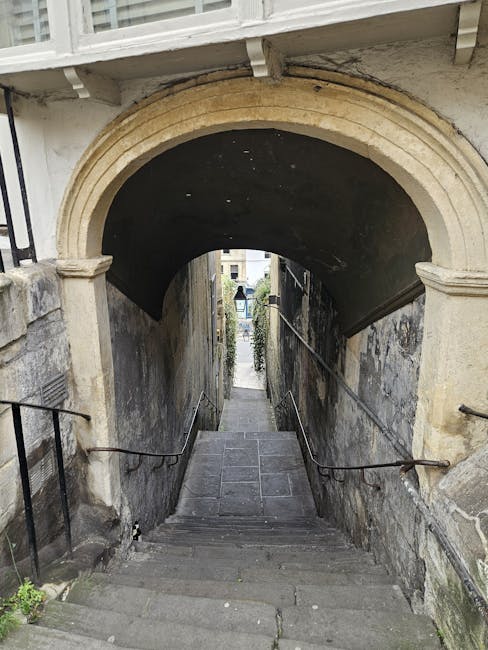
Tredegar Estate Removals in Old Ford: Narrow Stairs
Posted on 22/05/2026
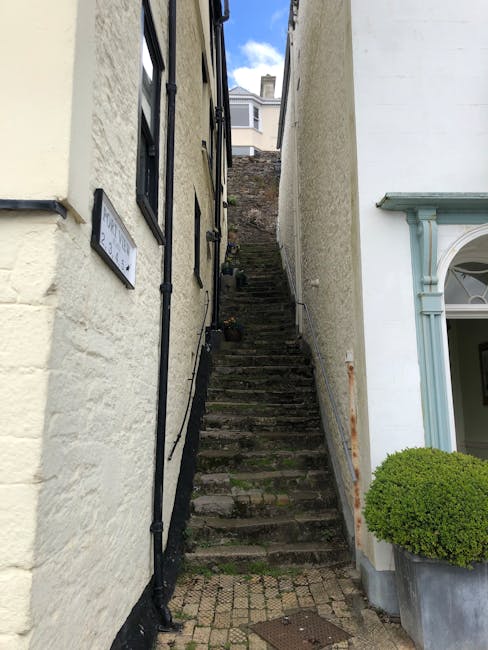
Moving in Tredegar Estate sounds straightforward until you meet the stairs. Tight turns, small landings, awkward railings, and the usual pile of boxes can turn a normal moving day into a bit of a balancing act. That is exactly why Tredegar Estate Removals in Old Ford: Narrow Stairs deserves proper planning, not guesswork. If you are dealing with a flat move, a larger family property, or just a sofa that seemed sensible in the showroom and suddenly looks enormous at home, the route matters as much as the load itself.
In this guide, you will get a practical, local-minded breakdown of how narrow-stair removals work, what can go wrong, and how to make the process safer and calmer. We will cover access checks, packing choices, lifting methods, equipment, compliance, and the kinds of service decisions that make a real difference on the day. No fluff. Just the stuff that helps.
And yes, a narrow staircase can be managed well. To be fair, it is usually less about brute force and more about preparation.
Why Tredegar Estate Removals in Old Ford: Narrow Stairs Matters
Estate moves in older London properties often bring one main challenge to the front: access. Narrow stairwells do not just make moving slower, they change the whole strategy. A wardrobe that would be simple in a ground-floor house can become a three-person puzzle on a compact stairwell. A fridge, mattress, or dining table may fit technically, but only if the angle, clearance, and route are planned properly.
In Old Ford, this matters even more because local homes can vary a lot. Some have converted flats, some have long internal stair runs, and some have shared entrances where space is already at a premium. If you are moving within or from Tredegar Estate, a short walk from the van to the front door can still mean a long haul upstairs. That changes the timing, manpower, and equipment needed.
This is where a good removals approach becomes more than a convenience. It protects the property, reduces strain on movers, and lowers the chance of dents, scrapes, and last-minute stress. You are not just moving things. You are managing a tight environment with real limits. The staircase does not bend to suit the sofa, annoying as that is.
For broader planning, many people also find it helpful to read the company's services overview alongside the area-specific guidance in the Old Ford Road removals guide for locals. The more familiar you are with the moving route and service options, the fewer surprises you get on the day.
How Tredegar Estate Removals in Old Ford: Narrow Stairs Works
The process usually starts with a quick access assessment. That can be done from photos, a video call, or an in-person look if the move is especially awkward. The goal is simple: measure the tricky parts before anyone starts carrying heavy furniture up or down the stairs.
In practice, a well-run narrow-stairs move usually follows this pattern:
- Check the route from the property to the van, including hallways, door widths, stair turns, and landings.
- Identify bulky items such as sofas, wardrobes, beds, white goods, desks, and anything with rigid dimensions.
- Decide what needs dismantling before moving begins.
- Prepare packing and protection so surfaces, edges, and flooring are less likely to get damaged.
- Assign the right lifting method and team size for each item.
- Load the van in an order that reduces rehandling and speeds up the move-out.
It sounds simple written down. On the stairs, not so much. A narrow landing can mean a wardrobe has to be turned almost flat, then eased back into position. A bulky mattress may be easier than expected, while a light but awkward chest of drawers can become the awkward one. Funny how that happens.
If you are packing yourself, a resource like the house moving packing handbook is genuinely useful. It helps you think in terms of access and protection, not just box counts.
Key Benefits and Practical Advantages
The real value of a narrow-stairs removals plan is not just speed. It is control. When the route is understood in advance, the whole move becomes less chaotic and more predictable.
- Less risk of property damage to walls, banisters, and paintwork.
- Lower risk of item damage from twisting, scraping, or over-lifting.
- Better crew coordination because everyone knows what to expect.
- Faster loading and unloading once the access plan is set.
- Less physical strain on the people doing the lifting.
- More confidence on moving day, especially if you have expensive or sentimental items.
Another underrated benefit is emotional. A move with stairs is tiring enough without that nagging feeling that something might snag on the banister. Once you know the strategy, you can focus on the rest of the day: keys, meter readings, breakables, and whether the kettle is in the right box. Small things, but they matter.
For larger or mixed-load moves, it can also help to think about whether you need a full house removals service in Old Ford or a more flexible man and van option. The best choice depends on volume, access, and how much lifting you want to take on yourself.
Who This Is For and When It Makes Sense
This kind of removal support is especially useful for people living in flats, maisonettes, converted houses, and older blocks where stair access is tight or uneven. Tredegar Estate, like many London estates, has layouts that can look fine on paper and then become a different story once you bring in furniture.
You will likely benefit from a narrow-stairs approach if you are:
- moving large furniture from an upper-floor flat
- relocating with children and want the day to stay manageable
- dealing with heavy items such as wardrobes, mattresses, or appliances
- moving on a deadline and cannot afford unnecessary delays
- planning a same-day move or a short-notice relocation
- trying to avoid damage in a rented property
It also makes sense if you have mobility concerns, limited lifting ability, or just do not want to spend the day wrestling with a sofa that refuses to turn the corner. Truth be told, many people only realise how awkward a staircase is after they have carried one box too many.
Students and smaller households often lean towards student removals in Old Ford or a compact van service, while larger households may need the broader support offered by flat removals or a full removals team. The access challenge is the same either way.
Step-by-Step Guidance
A narrow-stairs move works best when you break it into stages. Rushing straight at the stairs is usually where things go a bit pear-shaped.
1. Measure and photograph the access
Take photos of the hallway, stair turns, landings, and any awkward door frames. If possible, note the width of the narrowest point and the height of any overhanging fixtures. A quick video walk-through can be even better because it shows how the item will actually travel through the space.
2. Sort items by difficulty
Not everything needs the same level of effort. Group items into:
- easy items such as boxes, small tables, and lightweight chairs
- medium items such as bedside units, desks, and small appliances
- hard items such as wardrobes, large sofas, beds, and pianos
This helps the team plan the order of movement and avoid getting stuck halfway through the day because the big stuff was left until last.
3. Dismantle where it makes sense
Some furniture should be broken down before moving. Beds, shelving, and certain wardrobes often move better in pieces. Keep screws and fittings in labelled bags. A tiny bit of admin now saves a lot of muttering later. If you need a hand with awkward items, furniture removals in Old Ford can be a sensible fit for these situations.
4. Protect edges and surfaces
Use blankets, wraps, corner protectors, and floor coverings. That matters on narrow stairs because every contact point is closer to a wall, railing, or paint finish. A small scrape on a tight landing can happen in seconds.
5. Clear the route completely
Remove loose mats, bins, shoes, hallway clutter, and door stops. If the staircase has a shared entrance, check whether anything is stored there that could create a trip hazard. You want clear movement, not a slalom course.
6. Move in the right order
Usually, the safest plan is to take large awkward items first while everyone is fresh, then follow with boxes and lighter items. That said, sometimes the van loading order or building access window changes things. A good crew adapts. Flexibility matters.
7. Check the stairwell after each large item
It sounds obvious, but a quick reset after every heavy piece keeps the route safe and prevents small debris or wrapping from becoming a problem. Even a loose strap on a step can catch a shoe at the wrong moment.
Expert Tips for Better Results
Here is the part that saves people a lot of trouble. Small choices make a bigger difference than most expect.
- Keep box weights sensible. Heavy books belong in small boxes, not giant ones. Your back will thank you.
- Remove drawers where possible. It reduces weight and makes awkward items easier to angle.
- Use non-slip gloves. Simple, cheap, and often overlooked.
- Measure the item, not just the room. A landing can be the problem, not the stairs themselves.
- Think about the weather. Wet shoes and damp boxes make stairs less forgiving in a typical London drizzle.
- Reserve the easiest route for the biggest item. If there are two possible turns, choose the cleaner one.
- Take your time on the turn. Most damage happens at corners, not on straight flights.
A quiet but useful trick: pack the stairwell-facing rooms first, then keep those boxes near the exit point so they can go out quickly. You do not want to be carrying the same box up and down just because it was placed in the wrong corner. That is moving-day friction nobody needs.
For particularly delicate loads, it can help to read about kinetic lifting techniques. The language sounds a bit technical, but the idea is straightforward: better body position, better control, less strain.
Common Mistakes to Avoid
Most narrow-stairs problems are avoidable. The same few mistakes keep showing up, and they are usually the expensive ones.
- Assuming everything will fit without measuring. Hope is not a moving strategy.
- Overpacking boxes. This makes carrying awkward and increases the chance of dropped items.
- Forgetting building rules or access windows. If lifts, shared entrances, or parking are involved, plan ahead.
- Trying to move large furniture without dismantling it. A few bolts can save a lot of stress.
- Ignoring the condition of the stairs. Loose carpet, poor lighting, or worn edges all matter.
- Using too few people. Sometimes solo moving is fine for boxes. Not for a wardrobe on a tight turn.
One of the biggest mistakes is treating the removal as a lifting problem only. It is actually a route problem, a protection problem, and a pacing problem too. Get those right and the lifting gets easier. Simple, really.
Tools, Resources and Recommendations
You do not need an enormous toolkit, but the right items help a great deal on narrow stairs. The goal is to reduce friction, protect surfaces, and support safe handling.
| Tool / Resource | Why It Helps | Best For |
|---|---|---|
| Removal blankets | Protects furniture and door frames from scrapes | Large wooden furniture, sofas, appliances |
| Bubble wrap and stretch wrap | Keeps loose parts together and protects finishes | Mirrors, shelving, cabinets, fragile surfaces |
| Floor runners or covers | Reduces marks and keeps shared hallways cleaner | Communal access routes |
| Furniture sliders | Helps reposition items before lifting | Heavy furniture on smooth flooring |
| Tools for dismantling | Speeds up disassembly and reassembly | Beds, wardrobes, desks, tables |
| Strong labels and tape | Improves unpacking and keeps parts organised | Any move with multiple rooms |
For packing support, packing and boxes in Old Ford can help if you need materials rather than guessing what size to buy. And if items need short-term holding while access is sorted, storage in Old Ford may be a practical backup.
If you are moving appliances, the handling guidance matters. A useful read on protecting a freezer during storage can also give you ideas for keeping cold appliances stable and damage-free.
Law, Compliance, Standards, or Best Practice
For most household moves, there is no special legal regime just because a staircase is narrow. Still, several UK best-practice areas matter in a real-world removals job. A responsible mover should consider safe lifting, property protection, access planning, and insurance cover.
In practical terms, that means:
- Manual handling should be sensible and risk-aware. Loads should be lifted by a suitable number of people, and awkward items should be assessed before the attempt.
- Insurance should be checked. It is worth understanding what is covered if an item or part of the property is damaged.
- Shared spaces should be respected. Communal hallways and stairwells should be kept clear and left tidy.
- Parking and loading should be planned legally. Especially in London, local restrictions and access limits can affect timing.
- Terms should be clear. Booking details, service scope, and cancellation conditions should be understood in advance.
If you want to learn more about the company's safety approach, the health and safety policy and insurance and safety information are sensible places to look. For service transparency, there is also the pricing and quotes page, which is helpful when comparing your options.
Best practice, in short, is about preventing avoidable risk. That includes safe lifting, clear communication, and not pretending a wardrobe is smaller than it really is. We have all done that mentally. The staircase will not be impressed.
Options, Methods, or Comparison Table
There is more than one way to handle a move in Tredegar Estate, and the best option depends on volume, budget, access, and how much heavy lifting you want to manage yourself.
| Method | Best For | Pros | Trade-Offs |
|---|---|---|---|
| DIY with friends | Small moves, light furniture, minimal access issues | Lower upfront cost, flexible timing | Higher risk of damage or strain, slower on narrow stairs |
| Man and van | Small to medium moves, quick local relocations | Flexible, practical, often cost-effective | May still need good packing and access preparation |
| Full removals team | Larger flats, awkward furniture, multiple rooms | More manpower, better for stairs and heavy items | Usually more expensive than a small van-only option |
| Partial service with dismantling | Mixed moves with a few difficult pieces | Targets the hard parts without paying for unnecessary extras | Requires clear planning and good item lists |
If the move is urgent, a same-day removals service in Old Ford may be worth considering. If you are mainly shifting one or two bulky objects, a removal van in Old Ford can be enough. The right answer is often less about what sounds biggest and more about what fits the stairs without drama.
Case Study or Real-World Example
Picture a typical upper-floor flat move in Tredegar Estate. The property has a narrow internal staircase, a tight turn halfway up, and a small landing just wide enough for two people to pass if they are careful. The main items are a three-seater sofa, a double mattress, a bed frame, a chest of drawers, and about twenty boxes.
On paper, it looks manageable. In reality, the sofa is the problem piece. It will not take the turn upright, and flat-tilting it risks scraping both walls. The team checks measurements, removes detachable feet, wraps the corners, and clears the staircase fully. The mattress goes first because it is lighter and easier to control. The bed frame is dismantled. The chest of drawers is emptied to reduce weight. The sofa is then carried with a two-person turn, one person guiding from the landing and the other controlling the base.
Nothing dramatic happens. That is the point.
The move takes effort, obviously, but it is calm because the access was planned and the awkward item was handled properly. The client avoids damage to the paintwork, the crew avoids a risky lift, and the whole job finishes without that drained, slightly frazzled feeling that usually follows a badly planned stair move. Small win, big relief.
For items like beds and mattresses, it also helps to follow dedicated guidance such as how to relocate a bed and mattress safely. And if you are moving a piano, do not wing it; read piano removals in Old Ford and the related article on whether piano transport is worth the risk alone. Some items really do deserve specialist handling.
Practical Checklist
Use this as your pre-move sanity check. Print it, save it, scribble on it. Whatever works.
- Measure stair width, landings, and door frames
- Take photos or a short video of the access route
- List all bulky and fragile items separately
- Dismantle beds, shelves, and other suitable furniture in advance
- Pack heavy items into smaller boxes
- Label boxes clearly by room and priority
- Protect corners, banisters, and floors
- Clear shared hallways and entrance areas
- Confirm parking and loading arrangements
- Check insurance and booking details before moving day
- Keep tools, keys, chargers, and essentials in one accessible bag
- Plan where the first boxes will go in the new place
Expert summary: the safest narrow-stairs move is usually the one that feels slightly over-prepared. That is not overkill. That is good judgement. A few extra minutes with a tape measure and a roll of protective wrap can save a lot of noise, stress, and awkward apologising to your landlord.
Conclusion
Tredegar Estate removals in Old Ford with narrow stairs are all about reading the space properly and choosing the right method for the job. Once you treat the staircase as part of the move plan, not just the path between rooms, everything gets easier: loading, lifting, timing, and protection.
Whether you are moving a small flat, shifting one difficult sofa, or handling a fuller household relocation, the same principle applies. Measure first, pack wisely, protect the route, and use the right level of support. It is a simple formula, but it works.
If you are planning a move and want a clearer idea of what is involved, it can also help to review removals in Old Ford, removal services in Old Ford, or even a man with a van in Old Ford depending on the size and complexity of your move. The right fit makes a difference, and it usually shows from the first phone call.
Get a free quote today and see how much you can save.
And if you are still weighing things up, that is fine. A good move is often built on a calm plan, not a rushed decision. One careful step at a time.